Chicago is home to one of the largest and most diverse immigrant populations in the Midwest. Every year, thousands of residents submit foreign-language documents to U.S. Citizenship and Immigration Services (USCIS), Illinois Circuit Courts, universities, and professional licensing boards.
What many applicants discover too late is that even small formatting mistakes in a translated document can result in delays, Requests for Evidence (RFEs), or resubmission requirements.
Understanding how certified translation standards are applied in real Chicago cases can help prevent unnecessary complications.
Languages Most Commonly Submitted for Translation in Chicago
Because of Chicago’s unique demographic makeup, certain languages appear more frequently in official document submissions.
The most commonly translated languages in the Chicago area include:
- Polish
- Spanish
- Ukrainian
- Russian
- Chinese
- Arabic
- Tagalog
- Urdu
- Vietnamese
Polish remains one of the most frequently encountered languages due to Chicago’s large Polish-American population — one of the largest in the United States. Civil records such as Polish birth certificates, marriage records, and court documents are regularly submitted for immigration and legal purposes.
Ukrainian and Russian documents are also commonly reviewed, particularly for immigration filings, academic evaluation, and professional licensing. Diplomas, transcripts, and civil registry documents from Eastern Europe frequently require precise, word-for-word translation to meet U.S. institutional standards.
These local language patterns directly influence the types of documents most often examined by Illinois authorities.
What Makes a Translation “Certified” in Illinois
In the United States, a certified translation is not merely a translated document. It must meet specific structural and formal requirements.
A properly prepared certified translation includes:
- A complete, word-for-word English translation
- Translation of all visible content, including stamps, seals, and handwritten notes
- A signed statement confirming accuracy and completeness
- Identification of the translator or translation company
- The date of certification
Summaries are not acceptable for official submissions.
For example, failing to translate a court stamp, registry seal, or handwritten annotation on a civil record can result in additional review. Even if the main text is accurate, omissions of visible content may trigger requests for clarification.
Illinois institutions rely on the certification statement to confirm that the translation can be used for official decision-making.
USCIS Requirements for Chicago Applicants
USCIS requires certified English translations for all foreign-language documents submitted with immigration applications. This rule applies nationwide, including Chicago and the entire state of Illinois.
Documents most commonly submitted include:
- Birth certificates
- Marriage certificates
- Divorce decrees
- Police or civil records
- Affidavits
- Court documents
USCIS does not require notarization of translations. A properly signed certification statement is sufficient.
In practice, many delays occur when applicants submit informal translations prepared without certification or when translations omit minor elements such as marginal notes or registration numbers.
Ensuring completeness from the start significantly reduces the risk of RFEs.
Illinois Courts and State Agencies: When Requirements May Differ
While federal immigration standards are consistent nationwide, Illinois Circuit Courts and certain state agencies may apply case-specific procedural requirements.
Certified translations are often required for:
- Circuit Court filings
- Family court proceedings
- Name change petitions
- Professional license applications
- Submissions to state regulatory agencies
In some court proceedings, notarization may be requested. However, this depends on the specific case and should be confirmed before filing.
From a practical standpoint, courts focus on completeness and clarity. Translations that clearly replicate the structure of the original document — including formatting, section headings, and official seals — are less likely to raise questions.
Academic and Professional Review in Chicago
Chicago’s universities and professional boards regularly review foreign academic records.
Certified translations are typically required for:
- Diplomas and degree certificates
- Academic transcripts
- Enrollment records
- Graduation certificates
For example, inconsistent terminology in academic transcripts — such as translating degree titles differently across documents — can slow down credential evaluation or admissions review.
Consistency, terminology accuracy, and structural clarity are especially important for academic documents.
Common Reasons Translations Get Rejected
Rejections are usually procedural rather than linguistic.
Common issues include:
- Missing certification statement
- Partial translation of the document
- Failure to translate stamps or handwritten notes
- Inconsistent spelling of names across documents
- Cropped or unclear source copies
- Submitting editable files instead of finalized versions
In many Chicago submissions, delays occur because applicants assume that small details do not matter. In official review processes, they do.
Certified vs. Notarized Translation in Illinois
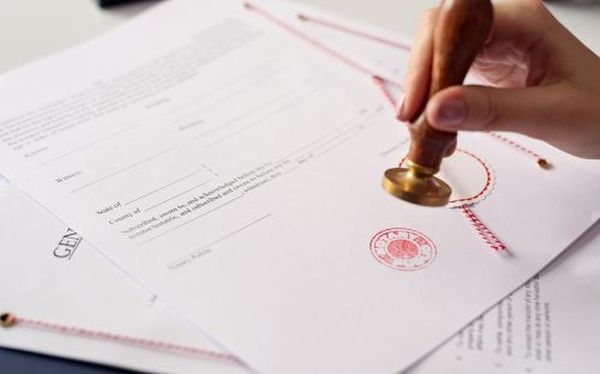
A certified translation includes a signed statement confirming that the translation is complete and accurate. This is sufficient for USCIS and most institutions.
A notarized translation adds a notary acknowledgment to the certification. In Illinois, notarization is typically required only when specifically requested by a court or authority.
For immigration filings, notarization is not required unless explicitly stated.
Understanding this distinction prevents unnecessary costs and confusion.
Turnaround Expectations
Turnaround times depend on document type and volume.
Standard civil documents such as birth or marriage certificates are typically processed quickly once clear copies are provided. Multi-page academic transcripts, court files, or technical documents may require additional time to ensure formatting and terminology accuracy.
Clear scans and complete document sets help streamline processing.
Practical Steps to Avoid Delays
Before submitting translated documents in Chicago, it is advisable to:
- Confirm the receiving authority’s specific requirements
- Ensure all pages of the original document are included
- Verify consistent name spelling across records
- Confirm that all visible elements have been translated
- Include a properly signed certification statement
Taking these steps significantly reduces the likelihood of resubmission.
Frequently Asked Questions
Do Illinois courts require notarized translations?
Not always. Certified translation is typically sufficient unless a specific court or judge requests notarization.
Is certified translation valid statewide in Illinois?
Yes. Properly certified translations are accepted statewide as long as they meet institutional requirements.
Can I translate my own documents?
For official submissions such as USCIS filings, self-translations are not recommended and may lead to rejection or additional review.
Chicago residents regularly submit foreign-language documents for immigration, court proceedings, academic admissions, and professional licensing. Because procedural requirements are strict, properly prepared certified translations play a crucial role in avoiding delays.
Whether working with Polish civil records, Ukrainian academic documents, Russian registry certificates, or other commonly submitted materials, the standard remains the same: complete, accurate translation accompanied by formal certification.
Understanding these requirements before submission helps ensure smoother processing by USCIS, Illinois courts, universities, and state agencies.