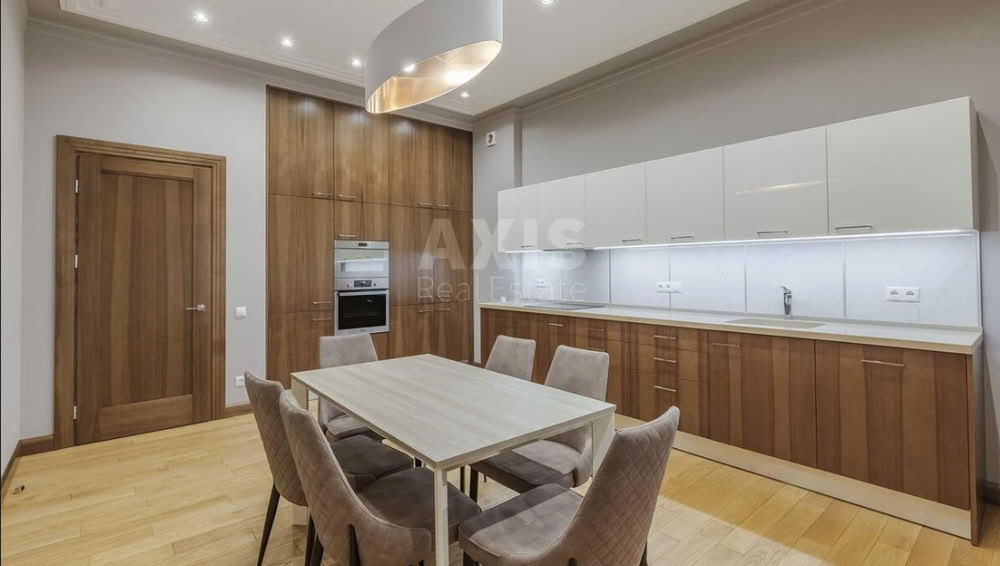
A furnished apartment promises an easier move. The bed, wardrobe and washing machine are already there. In theory, you only need to unpack.
The reality depends on what “furnished” means in that particular listing. One flat may contain everything needed for everyday life. Another may have an attractive sofa and almost nowhere to store clothes. A desk can be too small for work, while a fully equipped kitchen may turn out to contain three glasses and one frying pan.
For a long stay, these details are not minor. Furniture affects how the rooms can be used, and appliances affect the amount you may need to spend after moving in. The viewing is the best moment to find out whether the apartment is genuinely ready for your routine.
Picture an ordinary day in the apartment
When comparing flats in Kiev for rent, https://axis.kiev.ua/en/arenda-kvartir-kyiv can help you prepare a shortlist. Before arranging appointments, decide what the apartment needs to contain.
Someone working in an office may be satisfied with a dining table used occasionally for a laptop. A remote worker may need a proper desk, a comfortable chair and somewhere to take calls without disturbing another person.
Cooking habits matter too. A tenant who mostly eats outside will judge the kitchen differently from someone preparing meals every day. The same applies to storage: one person staying for several months will bring different belongings from a couple moving with winter clothes, sports equipment and several suitcases.
Take a short list to each appointment. It might include a full-size bed, sufficient wardrobe space, a washing machine and a separate place to work. The list prevents an attractive interior from distracting you from something that would be difficult to live without.
Find out what will actually remain
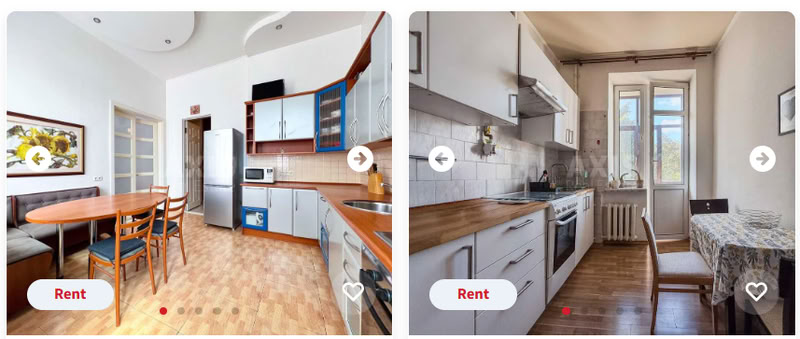
The apartment in the photographs may not be exactly the apartment offered at the handover.
Some items can belong to the current tenant. Decorative objects may be removed, and the owner may intend to replace a chair or appliance before the next tenancy. Equally, the flat may contain additional furniture that was kept outside the frame of the photographs.
Go through the important contents during the viewing. If the television, microwave or coffee machine matters to you, find out whether it is included. Do the same for beds, wardrobes, shelving and other large pieces.
There is also a distinction between built-in and movable furniture. A fitted wardrobe is likely to remain part of the apartment. A freestanding cabinet may be removed or repositioned, subject to the owner’s agreement.
Keep notes about the items you expect to receive. Later, the inventory should match what was discussed. Photographs alone should not be treated as a complete list of the rental contents.
Look closely at the bed and soft furniture
The bed is one of the most important items in a furnished apartment and one of the hardest to judge from a listing.
Check its size rather than estimating from photographs. The label “double bed” does not tell you its exact dimensions, and the remaining space around it affects access to wardrobes and bedside storage.
Look at the mattress condition with permission. Notice visible wear, stains or sagging. If a mattress protector is supplied, establish whether it will be cleaned or replaced before the handover.
The same attention applies to sofas and upholstered chairs. Sit down and see whether they are comfortable. Fabric can conceal wear that only becomes visible at close range. If you notice damage, it should be discussed and recorded rather than left for an argument at the end of the rental.
A sofa bed deserves an additional check if you expect guests. Open it during the viewing where possible. Something advertised as an extra sleeping place may be difficult to use or may leave no room to move around once unfolded.
Test whether the storage matches the stay
A large wardrobe can contain surprisingly little usable space.
Open it with permission and look at the internal arrangement. Shelves, hanging rails and drawers need to suit the belongings you will bring. A wardrobe designed mostly for hanging clothes may leave no sensible place for folded items.
Consider luggage as well. Suitcases need somewhere to go after they are unpacked. Leaving them in the bedroom for months can make an otherwise comfortable room feel crowded.
The entrance area matters for coats, shoes, umbrellas and bags. In a household with children, it may also need room for a pushchair or school items.
Kitchen storage should be judged after accounting for anything the owner plans to leave. Cupboards full of old dishes may appear generous while providing little room for food and your own cookware.
If unnecessary furniture occupies valuable space, ask whether it can be removed. Do not assume that you can place it in a corridor, storage room or shared part of the building. Decide with the owner where it would go and who would arrange the move.
Inspect the kitchen as a working space
A kitchen with appliances can still require additional purchases.
Begin with the basics. Is there enough worktop space after the kettle, microwave or coffee machine is in place? Can cupboard and appliance doors open without colliding? Is there enough room to prepare food while another person uses the kitchen?
Check the fridge capacity and the amount of freezer space. Look at the cooker and oven controls. With permission, test appliances that can reasonably be switched on during the appointment.
Then look at the smaller contents. If the listing describes the kitchen as equipped, find out whether that includes cookware, plates, glasses and cutlery. Their condition matters as much as their number.
You may prefer to use your own kitchen items. In that case, establish whether the existing contents can be packed away without occupying all the remaining storage.
When comparing apartments for rent in Kiev, Ukraine, a genuinely usable kitchen can be worth more than decorative features that have little effect on daily life.
Check the places where electricity is needed
Furniture placement can make sockets difficult to reach.
Beside the bed, check whether there is somewhere to charge a phone without stretching a cable across a walkway. Around the desk, consider a laptop, monitor, lamp and other equipment you use. In the kitchen, note whether small appliances can be used without constantly unplugging something else.
Lighting deserves attention after dark or in rooms with limited daylight. Switch on the available lights and notice where they fall. A ceiling light may illuminate the centre of a room while leaving the desk or kitchen worktop poorly lit.
Ask which lamps belong to the apartment. Portable lighting shown in photographs may not remain. If you would need to add lamps, check whether there are suitable sockets and space for them.
Extension leads can solve a small inconvenience, but they should not become the only way to use several essential appliances. Any concern about the electrical installation itself requires assessment by someone appropriately qualified.
Use the desk instead of simply looking at it
Many furnished apartments now show some form of workspace. Its practicality varies.
Sit at the desk. Pull out the chair and see whether it blocks a door or passage. Check where a monitor would go and whether the work surface is deep enough. A narrow console table may look convincing in a photograph without being comfortable for a full working day.
Listen to the room with the windows closed and open where permitted. Noise from traffic, neighbours or a nearby business may matter during calls.
Find out what internet service is connected and whether the arrangement can be changed if necessary. The owner may include internet in the monthly payment, or the tenant may need a separate contract.
If two people work remotely, decide where the second person would sit. Using the dining table may be acceptable occasionally and frustrating every weekday.
Put the agreed contents into the handover record
Where an inventory forms part of the handover, it should identify the furniture, appliances and other items supplied with the flat. It should also reflect their starting condition.
Existing scratches, stains or faults belong in the record. Photographs taken with permission can support the description. If an appliance is awaiting repair, note the issue and the agreed next step.
It is also useful to understand how faults discovered after moving in should be reported. Some problems only appear during normal use, even when an appliance seemed fine at the viewing.
Before transferring money, compare the rental agreement, inventory and payment breakdown with what was discussed. When choosing between apartments for rent in Kyiv, the best furnished option is the one whose contents genuinely reduce the work and expense of settling in.