Led wall virtual production is no longer limited to the largest film studios. Smaller production companies, branded content teams, training centers, livestream agencies, and regional studios are all exploring compact LED stages. The challenge is budget planning. A realistic budget must include more than the LED panels. It should cover structure, processing, rendering, tracking, power, content creation, calibration, maintenance, crew training, and room preparation. If these items are ignored, a studio may own an impressive wall but still struggle to shoot reliably.
The first decision is use case. A studio that shoots product videos needs a different layout from a drama stage. A livestream company may prioritize stable broadcast backgrounds and fast scene switching. A music video team may want curved surfaces and dramatic lighting. A film school may need a flexible teaching space with durable equipment. Budget should follow the workflow, not the other way around.
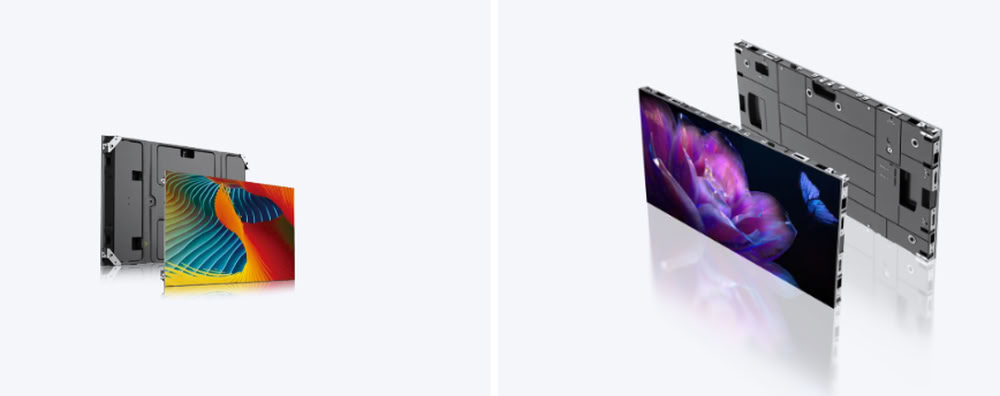
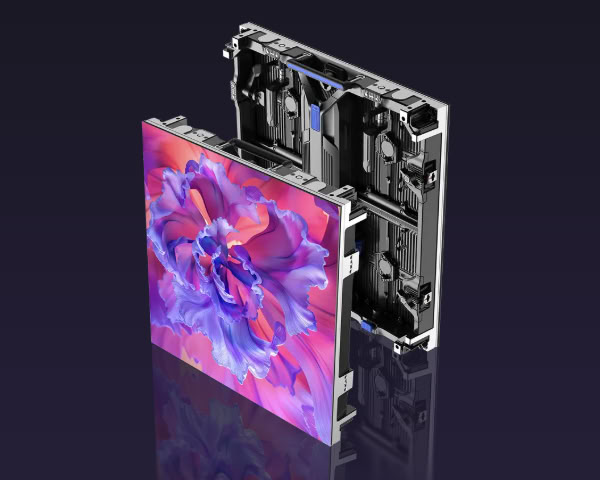
Screen size and pixel pitch are usually the most visible costs. However, bigger is not always better. A compact wall with the right pitch, strong processing, good calibration, and enough distance for camera work can outperform a larger wall that is placed too close or underpowered. For teams that need temporary setups, road shows, client demos, or changing layouts, rental LED display products can provide a more flexible entry path than a fully fixed stage. Rental-style systems are often designed for repeated assembly, modular layouts, and faster deployment.
The second budget category is signal and control. A virtual production wall needs LED processors, media servers or render nodes, camera tracking if perspective must change in real time, synchronization, monitoring, and backup paths. A common mistake is spending heavily on panels while underfunding the technical backbone. If the processor chain is weak, the wall may show latency, tearing, color inconsistency, or limited frame rate. If there is no backup plan, a single cable or device failure can stop the shoot.
Content production is another major cost. A digital background is not simply a JPEG on a large screen. Real-time scenes may require 3D modeling, texture optimization, lighting, Unreal Engine or similar workflows, color testing, and on-set technical direction. Even when using pre-rendered plates, the content must be sized and graded for the wall, not just for online playback. Studios should budget for test days where the content team, cinematographer, and LED technicians review the scenes together.
Room preparation can also surprise new buyers. Ceiling height, floor loading, HVAC, sound treatment, power distribution, cable paths, safety access, and blackout control all affect performance. A wall that fits on paper may create heat, reflections, or movement restrictions in the real studio. Producers should also reserve funds for spares, replacement modules, training, and maintenance.
Before finalizing the budget, it is useful to discuss the full plan with a technical supplier. Through contacting Esdlumen technical support, buyers can share stage dimensions, shooting goals, target market, schedule, and expected content type. That early consultation can reveal whether the budget should prioritize finer pitch, a larger wall, curved extensions, processing, or service support.
A phased investment plan can make the project less risky. The first phase may focus on a reliable core wall, basic processing, repeatable lighting presets, and a few proven content scenes. The second phase can add camera tracking, curved side sections, more render capacity, or a larger content library. The third phase may expand into full xR workflows, multi-camera productions, or client-facing stage packages. This approach gives the team time to learn how the room behaves and which services clients actually buy. It also prevents budget from being locked into features that look attractive during planning but are rarely used in daily production.
The budget should include marketing and sales use as well. A new virtual production studio needs demo reels, sample scenes, technical spec sheets, and clear service packages so clients understand what they can book. If the studio cannot explain its capabilities, the equipment may sit idle. A small portion of the budget spent on proof-of-concept content can help attract the first projects and teach the team where the setup performs best.
A smart small-studio budget is not about buying the highest specification everywhere. It is about creating a stable shooting environment that matches real work. The best first version may be modest but expandable. It should allow the team to learn the workflow, serve paying projects, and add complexity over time. For many small studios, that staged approach is more sustainable than building an oversized LED volume before the team has a repeatable production process.